Understanding Cargo CFS: Your Freight’s Essential First Stop in Logistics
Picture this: You've packed your goods for an overseas sale, but your shipment fills only half a container. Now, it joins dozens of others at a busy warehouse, where workers blend it all into one secure load for the ship. This spot is your Cargo CFS, the key hub that makes small shipments work in major shipping lanes.
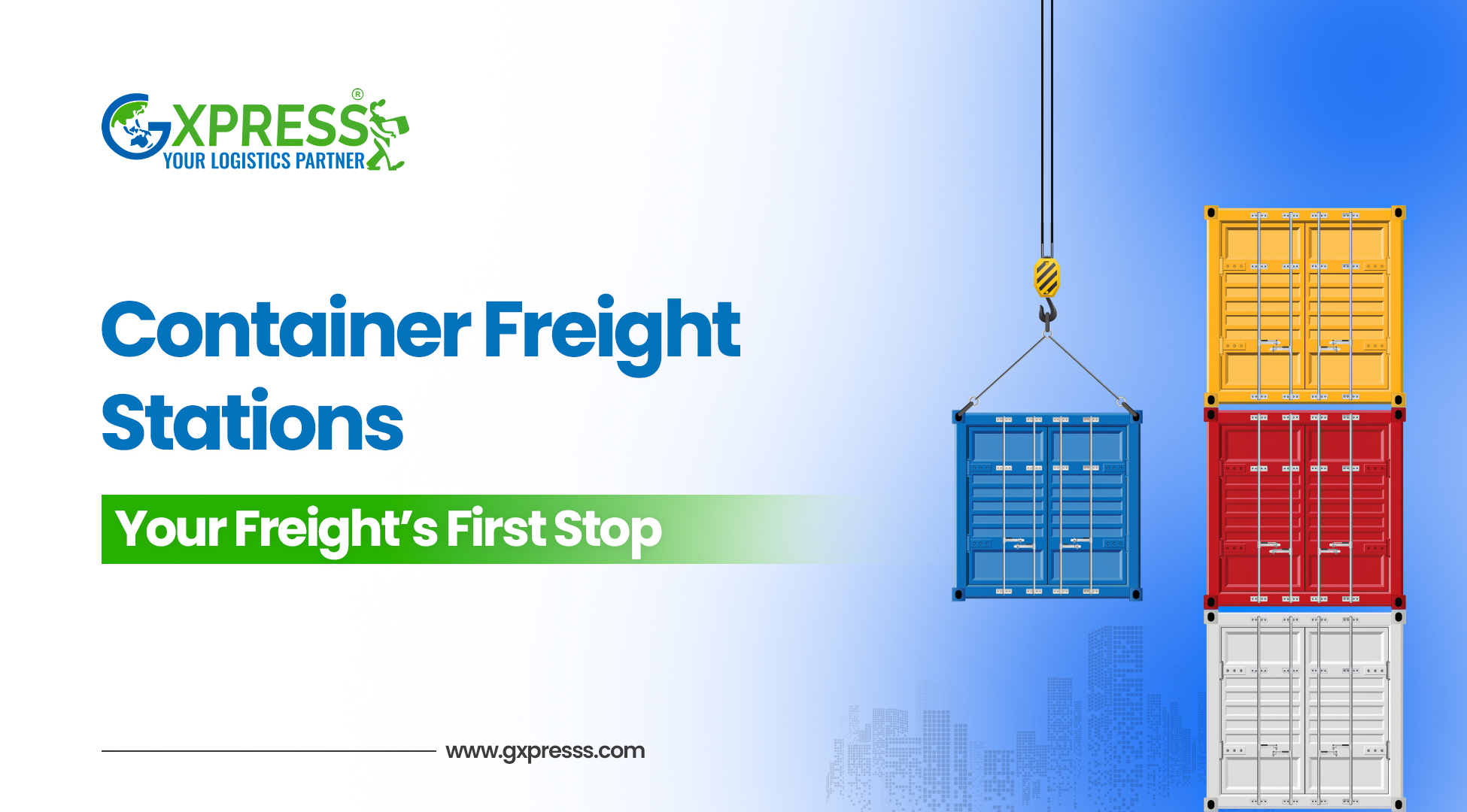
Understanding Cargo CFS: Your Freight’s Essential First Stop in Logistics
Picture this: You've packed your goods for an overseas sale, but your shipment fills only half a container. Now, it joins dozens of others at a busy warehouse, where workers blend it all into one secure load for the ship. This spot is your Cargo CFS, the key hub that makes small shipments work in major shipping lanes.
A CFS, short for Cargo Consolidation and Stuffing Point, is a special site where less-than-container load (LCL) freight gets grouped and readied for sea travel. It acts as the first stop for exports and the last for imports. In this guide, we break down the CFS process to show how it boosts efficiency, ensures compliance, and eases concerns for shippers and consignees alike.
What Exactly is a Cargo CFS and Why Does It Matter?
Cargo CFS stands out in the shipping world because it handles partial loads that don't require a full container. Unlike a Container Yard (CY), which stores sealed full containers, a CFS focuses on combining smaller shipments. This saves money and space for businesses with modest cargo volumes.
For LCL shipments, the CFS is essential. It turns scattered cartons from multiple shippers into a well-organized full container. Without it, you'd pay premium rates for empty space in an FCL container.
Core Functions of a CFS Facility
At its core, a Cargo CFS receives, stores, consolidates, and prepares cargo. Workers stuff goods into containers for export and de-stuff them for import.
- Safe temporary storage
- Inspection and compliance checks
- Security scanning and risk detection
- Sorting and distribution after de-stuffing
These operational steps significantly reduce port errors. Smooth CFS flow means faster shipping times and lower costs.
The LCL Ecosystem: Where CFS Fits In
LCL shipping thrives because of the consolidation advantage offered by CFS facilities. If your freight is light—like 500 kg of textiles—you don’t want to rent an entire 20-foot container. CFS allows you to share that space with others moving in the same direction.
This shared-use model can reduce freight rates by up to 50% for small loads. Think of CFS as a shared ride system: your cargo travels with others, then splits off at the destination.
Regulatory Compliance and Security Mandates
CFS operators must follow strict customs and port regulations. Containers are sealed to avoid tampering, and every item is logged for traceability. Customs inspections often take place inside CFS premises.
Proper compliance prevents delays, penalties, and cargo holds. One small error in paperwork can result in a complete re-examination.
The Step-by-Step CFS Process for Export Shipments
Cargo Acceptance and Documentation Verification
Cargo arrives at the CFS via truck. Staff verify documents such as the commercial invoice, packing list, and HSN code. The Bill of Lading instructions guide the handling process.
After verification, cargo is tagged, weighed, and moved to short-term storage.
Consolidation, Weight Distribution, and Stuffing
Workers group compatible cargo types and plan optimal loading. Even weight distribution is essential for vessel stability. Software tools assist in maximizing container space—often achieving 90%+ utilization.
For example: A 40-foot container may hold 25 cubic meters from five different shippers.
Container Sealing, Tracking, and Gate-Out
Once stuffed, the container is sealed—sometimes with GPS-enabled tags. The CFS issues a release order, and the container is moved to the port terminal. Tracking begins from this point.
Import Operations: De-stuffing and Cargo Delivery
Arrival, De-stuffing, and Customs Examination
After the vessel arrives, the container is transferred to a destination CFS. Workers open it, sort cargo by consignee, and prepare for customs checks. Roughly 5–10% of cargo undergoes manual examination.
Cargo Release and Documentation Clearance
Importers must present the Bill of Lading, pay duties, and clear customs. CFS handling fees, storage charges, and documentation fees apply. Upon clearance, a Delivery Order (DO) is issued for pickup.
Addressing Shortages, Damages, or Discrepancies
Any damage or shortage must be documented immediately. Photos and survey reports help with claims. Forwarders file claims with carriers, and issues should be raised within 7 days.
Critical Variables: Costs, Delays, and Performance Metrics
Understanding CFS Charges and Fees
Charges include handling, storage, customs inspection fees, and documentation costs. Small shipments often cost $300–$800 depending on port and destination.
Common Bottlenecks: From Congestion to Documentation Errors
Delays can result from peak season congestion, incorrect paperwork, customs holds, or truck shortages.
Actionable Tip: Vetting Your CFS Provider
Choose CFS partners based on proximity to the port, certifications, technology capabilities, and turnaround time. Top providers achieve stuffing within 48 hours and handle large volumes consistently.
The Future of Consolidation: Digitalization and Efficiency
Integrating Technology for Real-Time Visibility
Digital manifests, tracking apps, blockchain-secured documents, and automated updates make today’s CFS operations transparent and reliable.
Automated Stuffing and Advanced Load Planning Software
Automation, robotics, and AI-driven load planning improve accuracy, reduce labor strain, and increase container space utilization.
Conclusion: Mastering the CFS Touchpoint
Cargo CFS facilities serve as the backbone of global LCL shipping. Understanding how they function helps businesses avoid delays, reduce costs, and maintain compliance. A knowledgeable logistics partner ensures every touchpoint—from documentation to consolidation—is executed flawlessly.
Why Choose Gxpress for Smooth CFS & LCL Operations?
At Gxpress: Your Global Logistics Partner, we streamline LCL, FCL, CFS handling, CHA services, and customs clearance across the USA, UK, UAE, Canada, Australia, Japan, Europe, and India.
- End-to-end LCL/FCL freight solutions
- Expert CFS handling & consolidation
- Amazon SPN & Walmart trusted logistics partner
- Digital documentation & real-time tracking
- Global customs clearance expertise
Ready to ship smarter? Get a quick quote: Gxpress Customs & Freight Solutions
Useful External Resources
- International Maritime Organization (IMO)
- World Trade Organization (WTO)
- U.S. Customs and Border Protection (CBP)
- DHL Logistics Insights